



Modern slavery rarely looks the way people imagine. Debt bondage hidden inside a subcontractor arrangement, forced labour buried five tiers deep in a sourcing chain, deceptive recruitment practices targeting migrant workers on the other side of the world: these are the forms exploitation takes today. For businesses with complex global supply chains, the critical challenge has shifted. Knowing modern slavery exists is no longer enough; the question is whether the right conditions exist for workers to actually speak up about it.
That tension sat at the heart of a recent webinar hosted by the Freedom Hub (TFH), an Australian social enterprise on a mission to end modern slavery, supporting businesses in adopting rights-based approaches while running survivor school programs for victims of exploitation, and Whispli, a secure enterprise platform for anonymous whistleblowing and case management, helping organisations build more effective speak-up systems.
Ethical business adviserJessica Irwin (TFH) and Charles Boulo, Whispli's APAC Sales Lead and speak-up specialist, joined host Sarah Parker, Social Enterprise Manager (TFH), to unpack what makes grievance mechanisms and worker voice tools genuinely effective in the fight against modern slavery.
Two Tools, Two Different Purposes
Grievance mechanism and worker voice are terms often used interchangeably, but the distinction matters. A grievance mechanism is a routinised, judicial or non-judicial process through which workers can raise concerns about business-related human rights abuses and seek remedy. By design, it operates after an incident has occurred.
Worker voice takes a different approach. Rather than waiting for harm to be reported, it creates channels for workers to surface early-stage concerns: low-level signals that something may be going wrong before any formal incident has taken place.
"Worker voice has been really overlooked. We have been so focused on incident response and grievance mechanisms. Now the conversation is shifting to getting a lay of the land before anything happens." - Jessica Irwin, The Freedom Hub
Most organisations today remain in reactive mode. Building proactive worker voice capacity upstream of harm is where genuine progress now lies.
Why the Silence? Four Barriers to Worker Reporting
A recurring pattern in corporate modern slavery statements is the sentence: no incidents were reported this year. For many organisations, this registers as a clean bill of health, but in practice, it often signals something more troubling: workers know the mechanism exists but have no faith, access, or ability to use it.
Four barriers consistently get in the way:
Physical and digital accessibility
Grievance mechanisms tend to be designed for desk-based employees with reliable internet access. Workers in construction, agriculture, or remote manufacturing facilities may have none of these. A reporting channel that workers cannot physically reach provides no protection.
Language
Publishing a reporting tool in the language of head office, without local-language versions, effectively excludes the frontline workers most at risk. Language is one of the simplest barriers to remove and one of the most frequently overlooked.
Supply chain depth
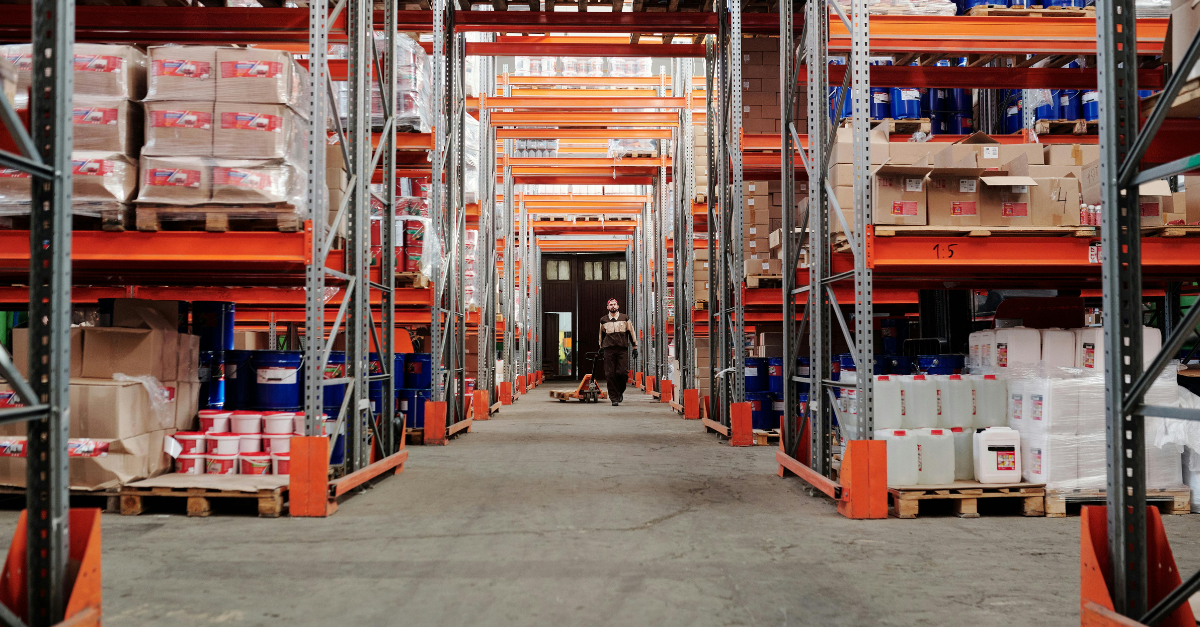
Modern slavery risks cluster in the deeper tiers of supply chains, typically at Tier 4, 5, or 6, where brands have the least visibility and the least leverage. Formal grievance processes rarely penetrate that far without deliberate effort.
Absence of trust
Workers who have seen previous reports disappear into silence will not report again. Without confidence that the process is independent, that their identity will be protected, and that something visible will happen, the channel will go unused regardless of how well it is designed technically.
What Effective Looks Like: The UNGP Framework in Practice
The United Nations Guiding Principles on Business and Human Rights set out eight criteria for assessing the effectiveness of a grievance mechanism. Two emerged as especially critical during the webinar.
Predictability
Workers engage far more readily when they know exactly what happens after they report: who receives the information, what process follows, and over what timeframe. Ambiguity creates hesitation, and knowing the steps in advance removes it.
"Do not underestimate the value of having something predictable. That alone can make the difference between a worker filing a report and deciding to stay silent." - Jessica Irwin, The Freedom Hub
Closing the loop
Trust in any grievance mechanism lives or dies on follow-through. Organisations that acknowledge receipt, provide updates during the process, and communicate outcomes build credibility over time. Those that go silent after receiving a report destroy it.
"Nothing is worse for trust than a report being made and then nothing happening. That worker tells colleagues: I tried, and got no signal back. That kills the channel." - Charles Boulo, Whispli
Transparency does not require disclosing confidential details. Publishing aggregate data, even at a high level, demonstrating the types of concerns received and the actions taken, goes a long way toward showing workers and suppliers that the system genuinely functions.
Design Principles That Actually Work
Involve workers from the start
A mechanism designed without worker input is unlikely to reflect the realities workers face. Consulting frontline workers during the design phase, and involving survivors of exploitation where possible, produces tools that are both more trusted and more used.
The Freedom Hub treats survivor-informed design as close to industry standard: people with lived experience, who have recovered from trauma and are in a position to contribute, should help shape any tool that may one day be used by someone in their situation.
Lower the reporting threshold
Asking workers whether they have spotted forced labour is the wrong question, since most workers will not recognise that framing, even if they are living it. Far more effective are simple, concrete, low-stakes questions: Did you receive a pay slip last fortnight? Do you have the safety equipment you need? These surface the small signals that, when read together across HR, payroll, and supply chain data, can indicate a pattern of exploitation without ever using the term.
This is also why data integration matters. A payroll flag, an HR complaint, and a supply chain concern raised separately and managed in silos will never add up to a complete picture. Connected, they often do.

Contextualise for each audience
A reporting stream built for a corporate employee bears no resemblance to what a migrant worker in a Tier 5 facility needs. Technology now allows organisations to run multiple parallel reporting streams, each with its own language, question set, and tone, within a single platform. A supply chain channel that visibly speaks to suppliers and their workers, rather than feeling like a corporate HR tool, generates meaningfully more engagement.
Technology as an Enabler, Not a Substitute
Platforms like Whispli make it possible to deploy anonymous and non-anonymous reporting streams, manage case workflows, and maintain consistent communication with reporters throughout the process. In practice, a localised reporting channel can be stood up in a new geography within a matter of weeks once the operational footprint is known.
Artificial intelligence adds a further layer of value by comparing a company's sourcing footprint against global modern slavery risk benchmarks, surfacing high-risk areas for deeper scrutiny. The caveat both speakers flagged is worth repeating: AI-generated risk assessments require human verification. Hallucinations happen, and acting on unverified data in this space carries real consequences for real people.

What technology cannot replace is the relational infrastructure that makes workers feel safe. Community liaison officers who bridge head offices and remote workers, NGO networks with geographic reach, and peer-to-peer trust built over time are not substitutes for digital tools. They are prerequisites for those tools to function.
Three Mistakes to Stop Making
Retrofitting an existing whistleblower policy
Adding a modern slavery category to a fraud or HR reporting tool produces a mechanism that fits no one's actual experience. Modern slavery reporting requires dedicated design, not adaptation. The questions, the tone, the access channels, and the follow-up processes need to be built for this specific purpose.
Treating data in silos
Payroll anomalies, HR complaints, and supply chain concerns are rarely managed by the same team. But they are often fragments of the same underlying problem. Organisations that break down those silos and look for patterns across datasets are far better positioned to catch exploitation early.
Reading zero reports as success
A grievance mechanism that has never generated a report is not a success story. For most organisations, it means workers do not trust it enough to use it. A mechanism that functions well will, over time, surface concerns. That outcome should be understood as the system working.
"Finding incidents down your supply chain is devastating, and it also means your mechanism is working. That is something organisations should be able to celebrate, not just report." - Jessica Irwin, The Freedom Hub
The Work Behind the Framework
Every effectiveness criterion, every reporting stream, and every data integration exercise ultimately serves one purpose: making it possible for a worker in a difficult situation to raise their hand and be confident something will happen as a result.
For organisations that take their human rights obligations seriously, the question to ask is not whether a grievance mechanism exists, but whether it works for the people it was built to protect. Getting there takes time, genuine consultation, investment in trust, and a willingness to move well past minimum compliance. There are no shortcuts.
If you are looking to strengthen your speak-up systems and build reporting channels that workers actually trust, Whispli's platform is designed to help.




%201.avif)
%201%20(2).avif)
%201%20(1).avif)