Create a safe way to report safeguarding and trauma concerns in sport

Safeguarding incidents in sport are highly sensitive and often involve power imbalance and trauma. Whispli enables confidential, trauma sensitive reporting while giving safeguarding teams the structure to respond effectively.

Enable trauma-informed reporting for safeguarding and welfare concerns
Protect reporters while ensuring timely, appropriate response
Strengthen trust, safety and duty of care across sporting environments

Support safeguarding obligations

Meet safeguarding and duty of care requirements

Support safeguarding frameworks and local child protection and athlete welfare laws by providing clear, secure and documented reporting and response processes.

Protect sensitive data and vulnerable individuals

Handle highly sensitive safeguarding information in line with data protection requirements such as GDPR, with strict access controls and confidentiality by design.

Demonstrate responsible governance and oversight

Maintain structured records of reports, decisions and actions to support internal reviews, audits and regulator or federation oversight when required.

Enable board-level visibility without case exposure

Provide aggregated insights and audit trails that demonstrate active safeguarding governance, without exposing individual cases or identities.

Key capabilities for safeguarding,
trauma response and integrity in sports

Trauma-sensitive reporting channels

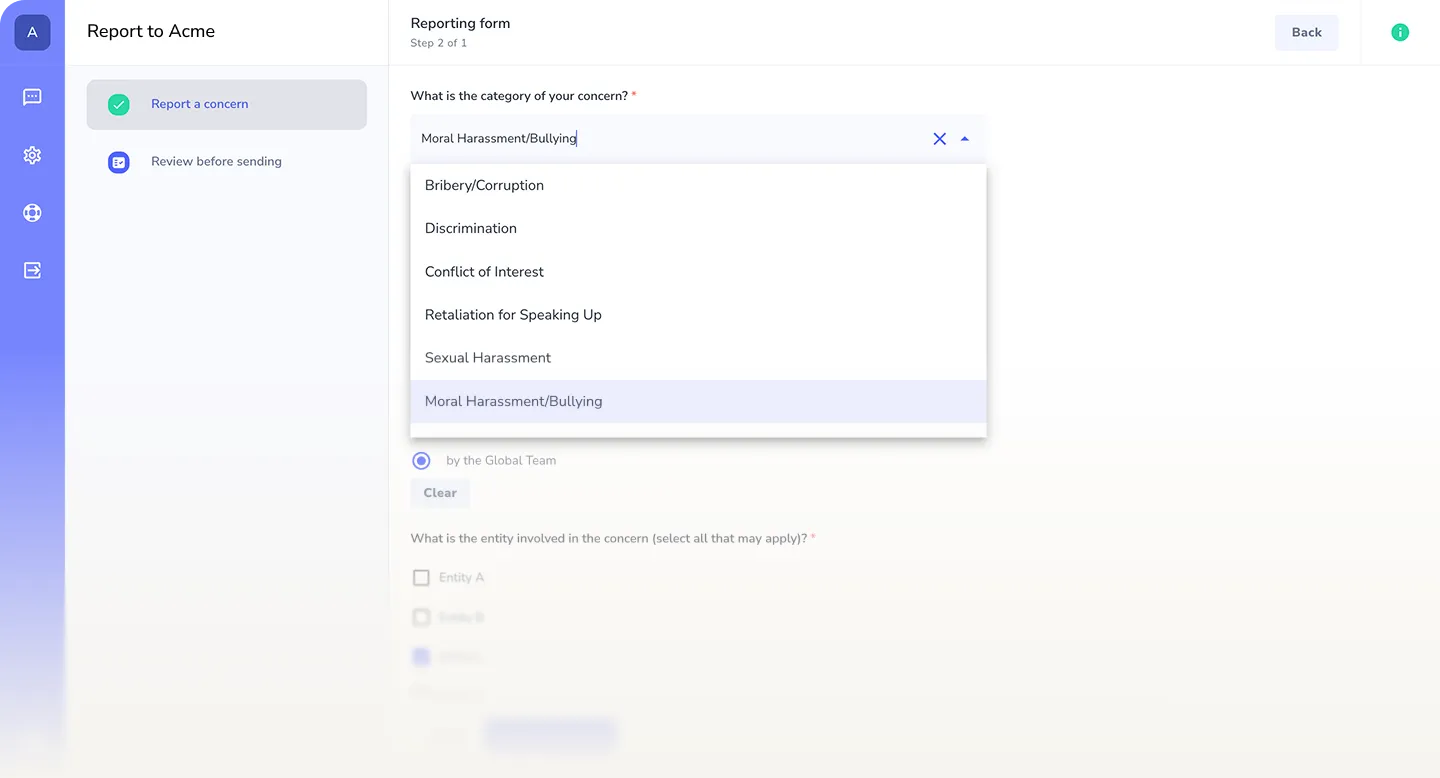
Enable athletes, staff, officials and volunteers to report safeguarding and welfare concerns through confidential channels designed to reduce pressure and avoid re-traumatisation.

Multiple safe entry points beyond whistleblowing

Provide clear, accessible pathways for safeguarding, trauma, integrity and ethics concerns, using non-legalistic language people trust.

Unified case management for safeguarding and integrity

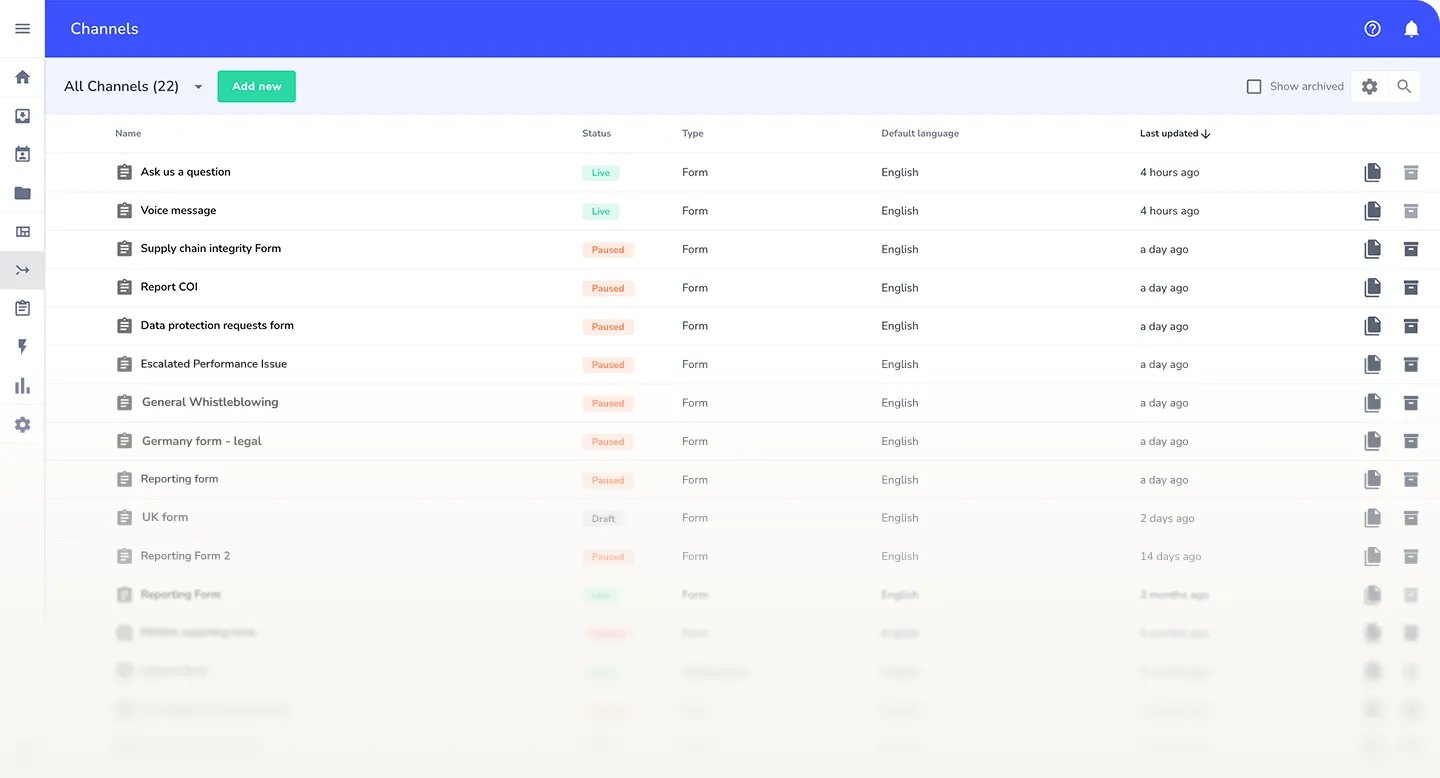
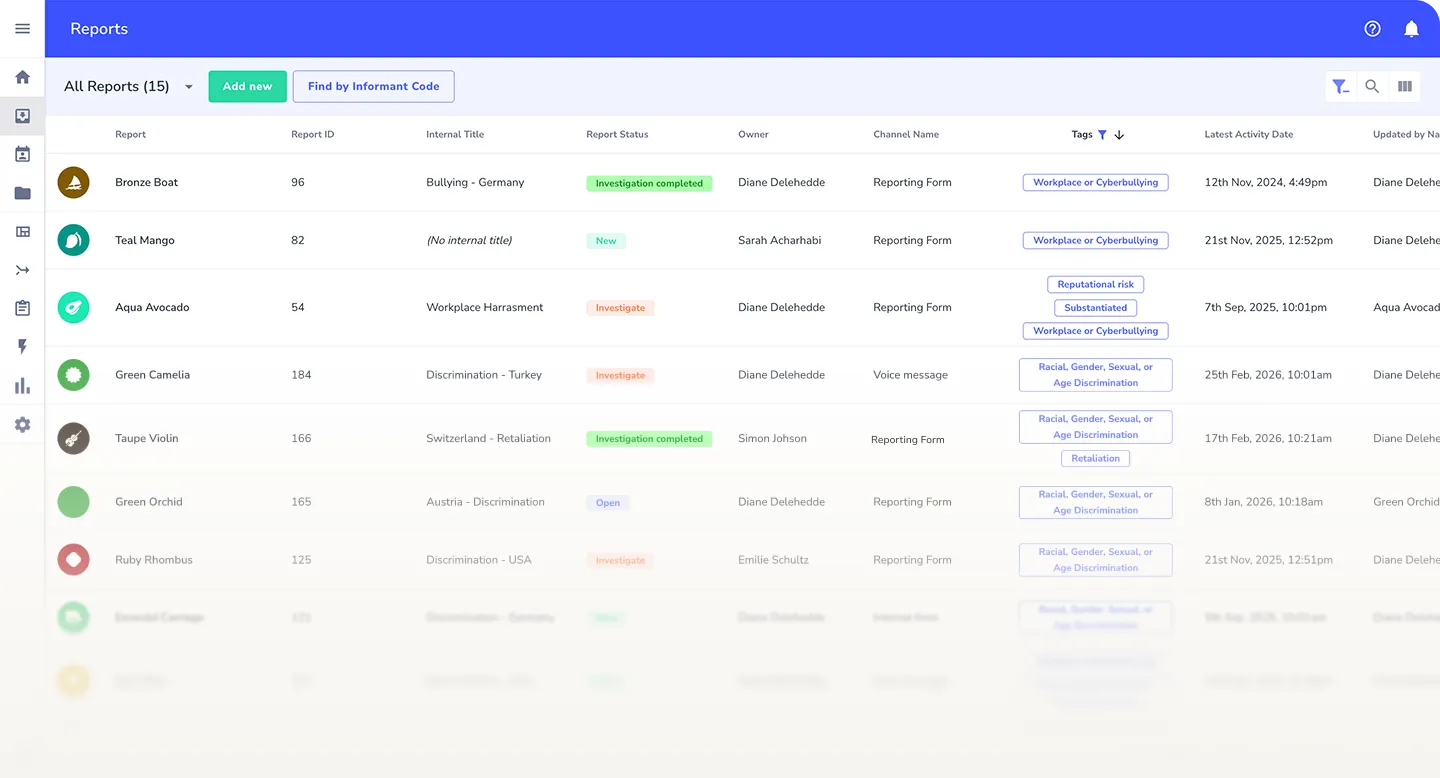
Manage safeguarding, welfare, integrity and HR cases in one secure system, ensuring consistent handling while respecting sensitivity.

Intelligent triage and severity assessment

Automatically categorise reports, assess risk and route cases by urgency, topic, geography and confidentiality needs.

Trauma response workflows for high-risk cases

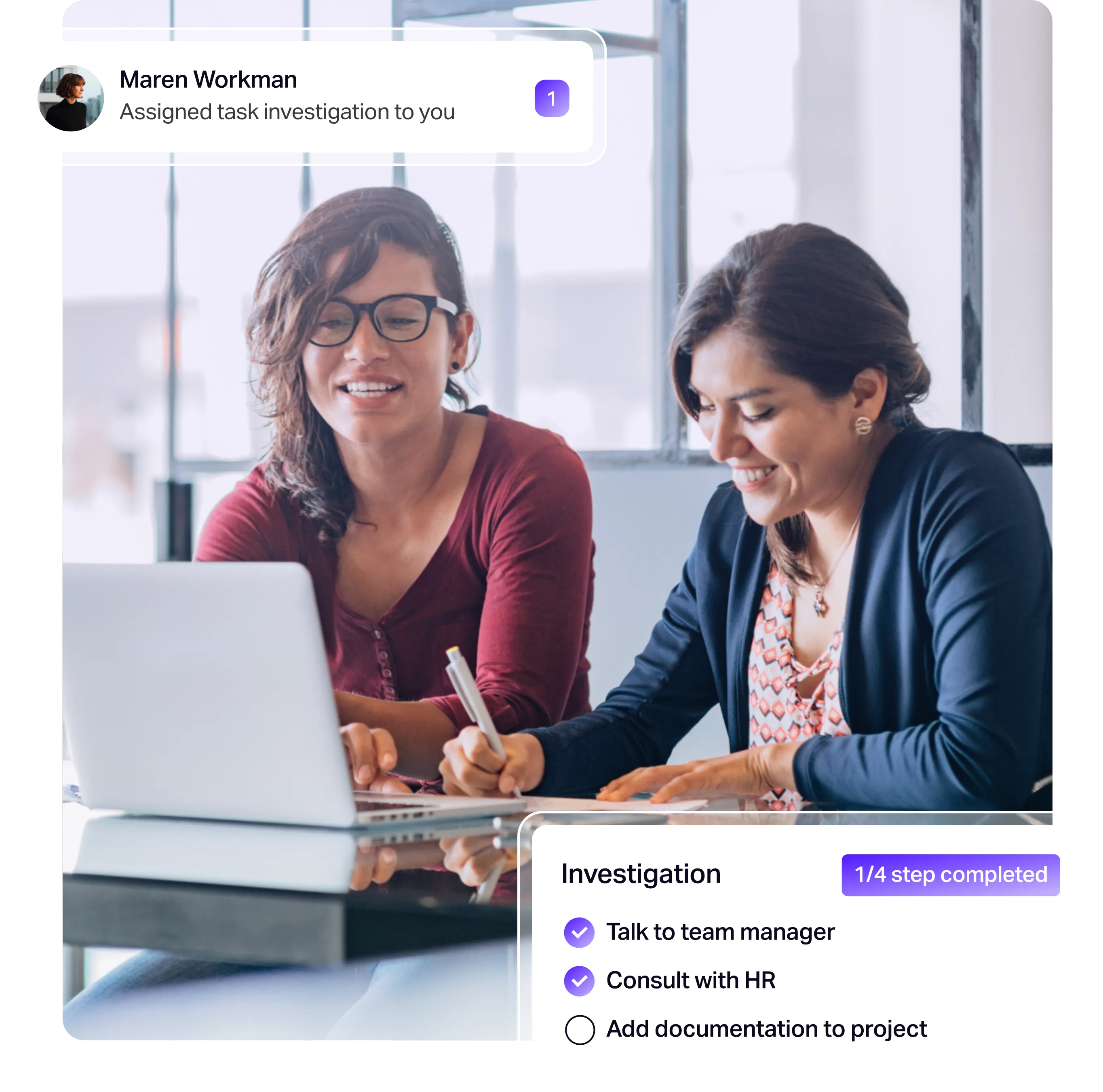
Trigger immediate response and escalation workflows with controlled, need-to-know access for serious safeguarding or trauma situations.

Victim-centred communication and anonymity by design

Enable secure, two-way communication while protecting anonymity and giving reporters control over identity disclosure.


What sports organisations achieve with Whispli

Earlier protection and intervention

Safeguarding and trauma concerns surface sooner, allowing teams to act quickly and reduce harm.

Safer reporting and restored trust

Trauma-sensitive reporting encourages athletes and stakeholders to speak up without fear, pressure or re-traumatisation.

Clear governance and defensible oversight

Structured handling and documentation support safeguarding accountability while protecting individuals and the organisation.

Empowering global organisations with higher engagement and stronger compliance outcomes

Organisations trust us
300
+

More than 300 companies, organisations and education institutions rely on Whispli to run their global speak up programs.

Countries
60
+

Whispli has been deployed in over 60 countries, demonstrating its flexibility and ease of configuration.

Languages
70
+

With no language barriers, Whispli empowers everyone to speak up confidently.

Discover our platform

Modernise your global compliance strategy

Move from fragmented reporting tools to a single system of record designed for the realities of 2026.

Talk to our compliance experts and strengthen your global governance while uncovering risks before they escalate.

Latest insights and articles

Branded article cover on strengthening child safety reporting policies and speak-up programs.
From Policy to Practice: Strengthening Child Safety Reporting with Whispli
Guide cover on trauma-informed approaches to conducting sensitive workplace investigations.
How to conduct a trauma-informed investigation

Explore more resources

White paper: Secure and Anonymous Reporting in the Queensland Public Sector.
Enhancing Integrity Through Reporting Solutions in the Queensland Public Sector
Learn how reporting solutions can support Queensland’s public sector employees
White paper: Monitoring Compliance Program Metrics.
Whispli, Your Partner in Monitoring Compliance Program Metrics
Learn how to measure and improve your program’s effectiveness with key metrics
White paper: Strengthening Whistleblowing Programs for APRA CPS 230.
Strengthening Whistleblowing Programs under APRA CPS 230
Discover how to align your program with APRA CPS 230 and strengthen operational resilience

Frequently asked questions

What types of safeguarding and trauma concerns can be reported?

The platform supports reporting of abuse, harassment, bullying, discrimination, coercion, power abuse and trauma-related incidents, whether they occur on or off the field.

How is trauma-sensitive reporting different from whistleblowing?

Trauma-sensitive reporting uses non-legalistic language and multiple safe entry points to reduce pressure and avoid re-traumatisation, rather than focusing on formal misconduct reporting.

Who receives and manages safeguarding cases?

Reports are routed to the appropriate safeguarding or integrity teams based on predefined rules such as topic, severity and geography, ensuring timely and appropriate response.

How does this support governance and oversight?

All actions and decisions are documented in a structured, audit-ready way, providing leadership with visibility into safeguarding activity without exposing individual cases.