Whistleblowing at Veolia: a technology solution
Discover how Veolia strengthened its global ethics programme with a secure whistleblowing framework that scales across countries, teams and regulations.

Veolia is a global environmental services company specialising in water, waste and energy management, helping organisations and communities protect resources and drive sustainable performance worldwide.
In January 2019, Bruno Masson, Vice Chairman of Veolia’s Ethics Committee, was preparing a rollout plan for a new whistleblowing system to be deployed across additional countries. Veolia, a French company and global provider of water, waste and energy services, had recently faced several incidents of corporate misconduct. In response, the group had taken concrete steps to strengthen its ethical culture and internal controls.
Veolia considered whistleblowing to be a critical lever in preventing future misconduct. Following positive experience with an existing platform in the United States, the company initially tested the same system in Germany. However, weaker legal and corporate protections for whistleblowers in Germany significantly limited employee willingness to report concerns. As a result, the pilot failed to deliver the expected outcomes.
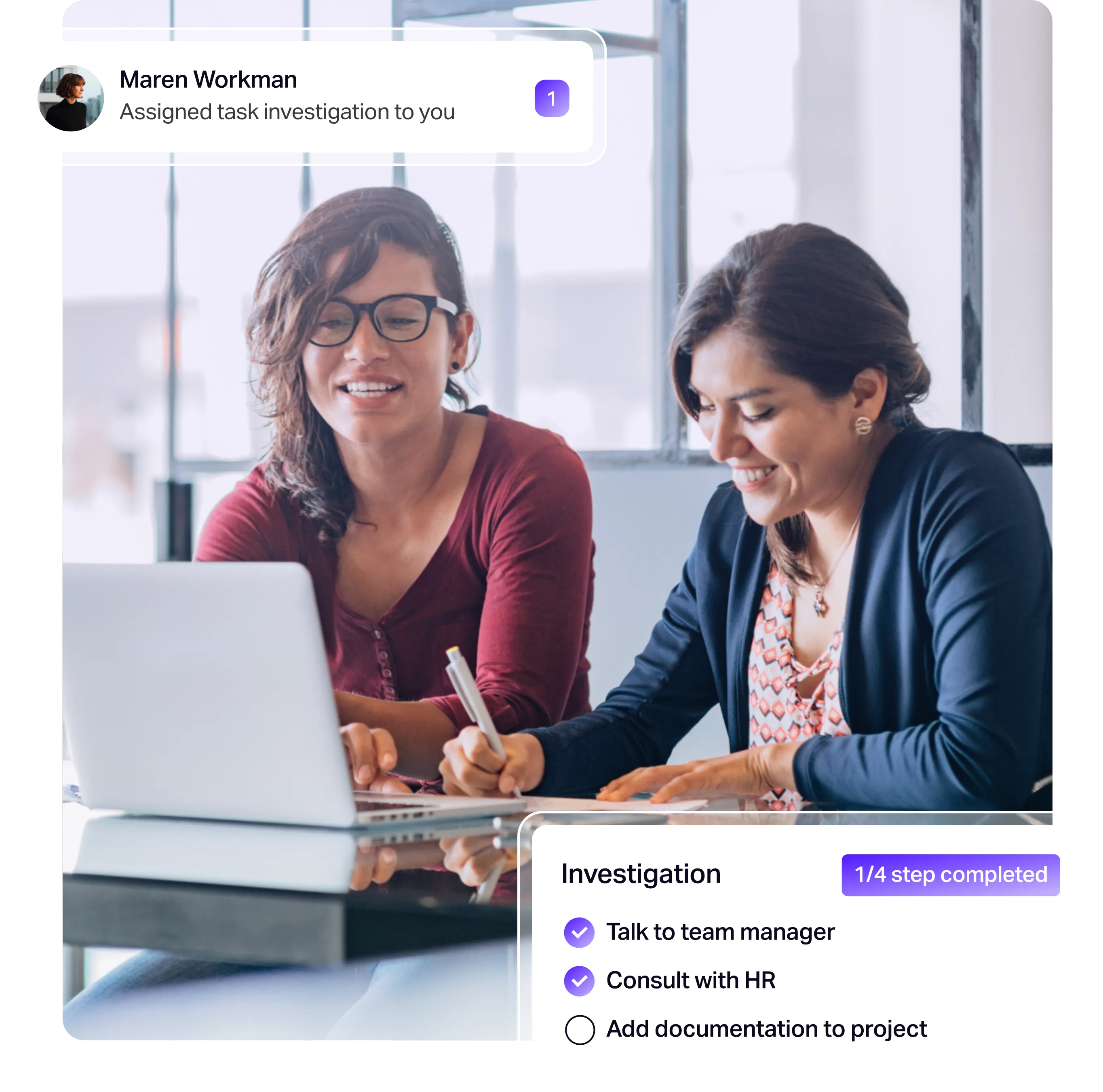
Despite this initial setback, Bruno Masson and the Ethics Committee remained committed to improving Veolia’s whistleblowing capabilities. They decided to engage an external provider and selected Whispli to support the next phase of the programme. Whispli offered an online platform that enables whistleblowers to report concerns securely and communicate anonymously with designated company representatives throughout the investigation process.
The decision was not without internal debate. Some managers questioned whether cultural differences, rather than technology, had caused the failed rollout in Germany. Others raised concerns about the impact of national regulations in Germany and France on the effectiveness of a new system. More fundamentally, some stakeholders questioned the value of investing in a third party whistleblowing platform when an internal system already existed, and whether such technology could negatively affect employee trust or productivity over time.
These questions were central to the Ethics Committee’s discussions as it evaluated the global adoption of Whispli.
Reputational risk at Veolia
As a global organisation managing hundreds of projects at any given time, Veolia has occasionally faced incidents of misconduct that attracted negative public attention. In the late 1990s, Veolia and fellow French group Suez entered the United States market as municipalities increasingly turned to private operators for water services. At the time, privatisation was promoted as a way to improve efficiency, maintain water quality and reduce costs.
However, as privatisation expanded, concerns emerged around service quality and environmental impact. In the early 2000s, a Suez waste system released over one hundred million gallons of sewage into Lake Michigan. Around the same period, a Veolia facility in New Orleans discharged sewage into the Mississippi River following an electrical fire at a water treatment plant. Subsequent investigations revealed that sewage had been discharged into the river on multiple occasions between 2001 and 2002.
Reports from civil society organisations highlighted issues such as insufficient staffing, poor preventive maintenance and failures to notify authorities of environmental violations. In parallel, legal cases further damaged Veolia’s reputation. In 2002, the president of one of Veolia’s subsidiaries was convicted of bribing a member of the New Orleans sewer board. The city subsequently withheld payments and rejected the renewal of Veolia’s contract, eventually opting to end private management of its water system altogether.
Between 2000 and 2019, Veolia faced dozens of reported legal and regulatory violations in the United States, the majority of which were environmental in nature. Several cases resulted in significant financial penalties, including a major environmental violation in Massachusetts in 2018 following wastewater discharges that led to shellfish bed closures. Additional controversies included involvement in lead contaminated water supplies in US cities and accounting fraud settlements involving senior executives.
Take case management to the next level
Move from fragmented reporting tools to a single, secure system of record designed for complex, global compliance environments.
Talk to our experts to see how Whispli supports whistleblowing, disclosures, and enterprise governance at scale.

%201.avif)
%201%20(2).avif)
%201%20(1).avif)